Your Market.
Our Ads.
Your Leads.
Ehome runs national-scale campaigns in your market. Every partner runs the same proven ads — every lead goes exclusively to you.
These Exact Ads Are Running
In Your Market Today.
One national creative. Every partner runs it. Each market's leads go only to that market's contractor — zero sharing, zero competition inside the network.
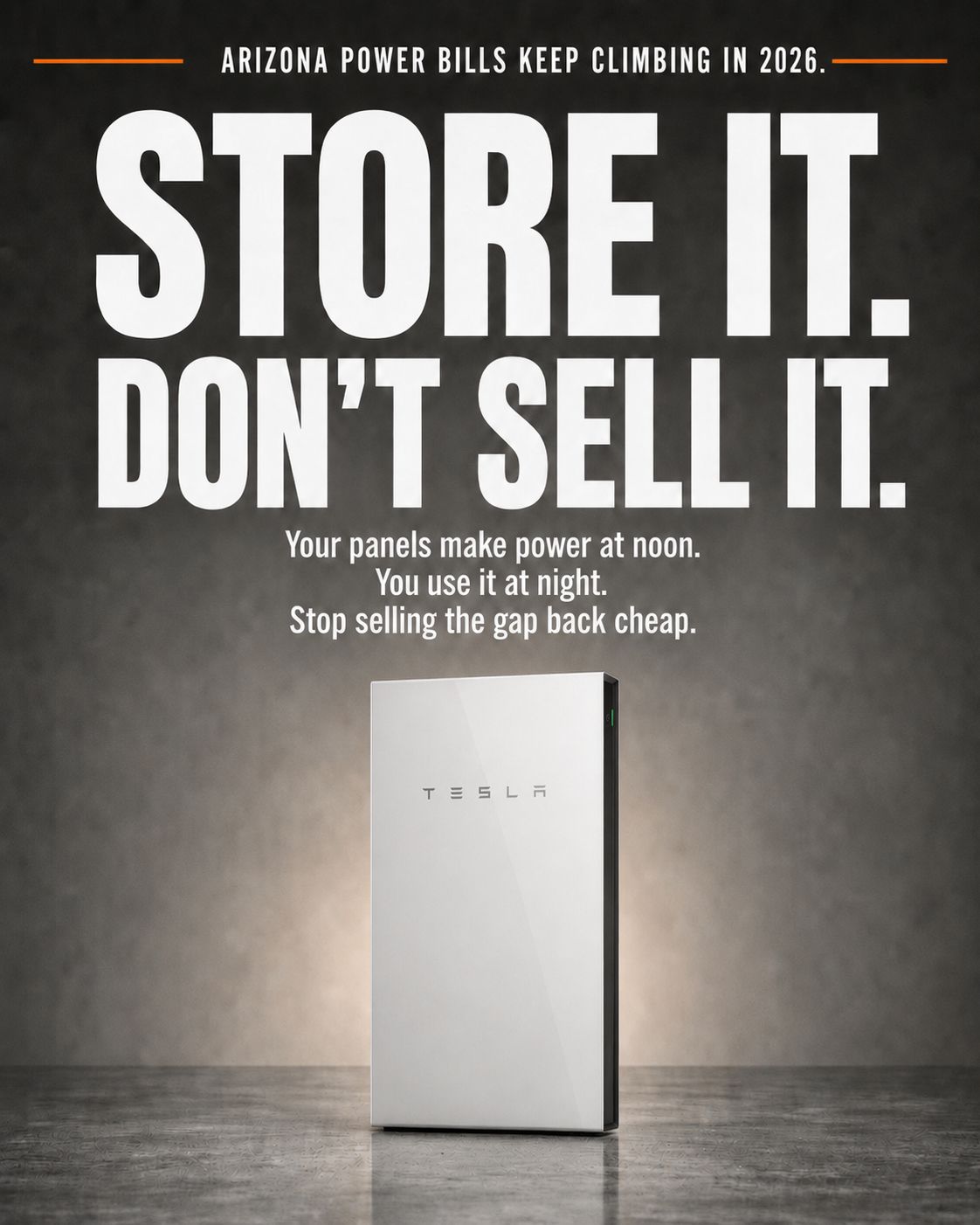
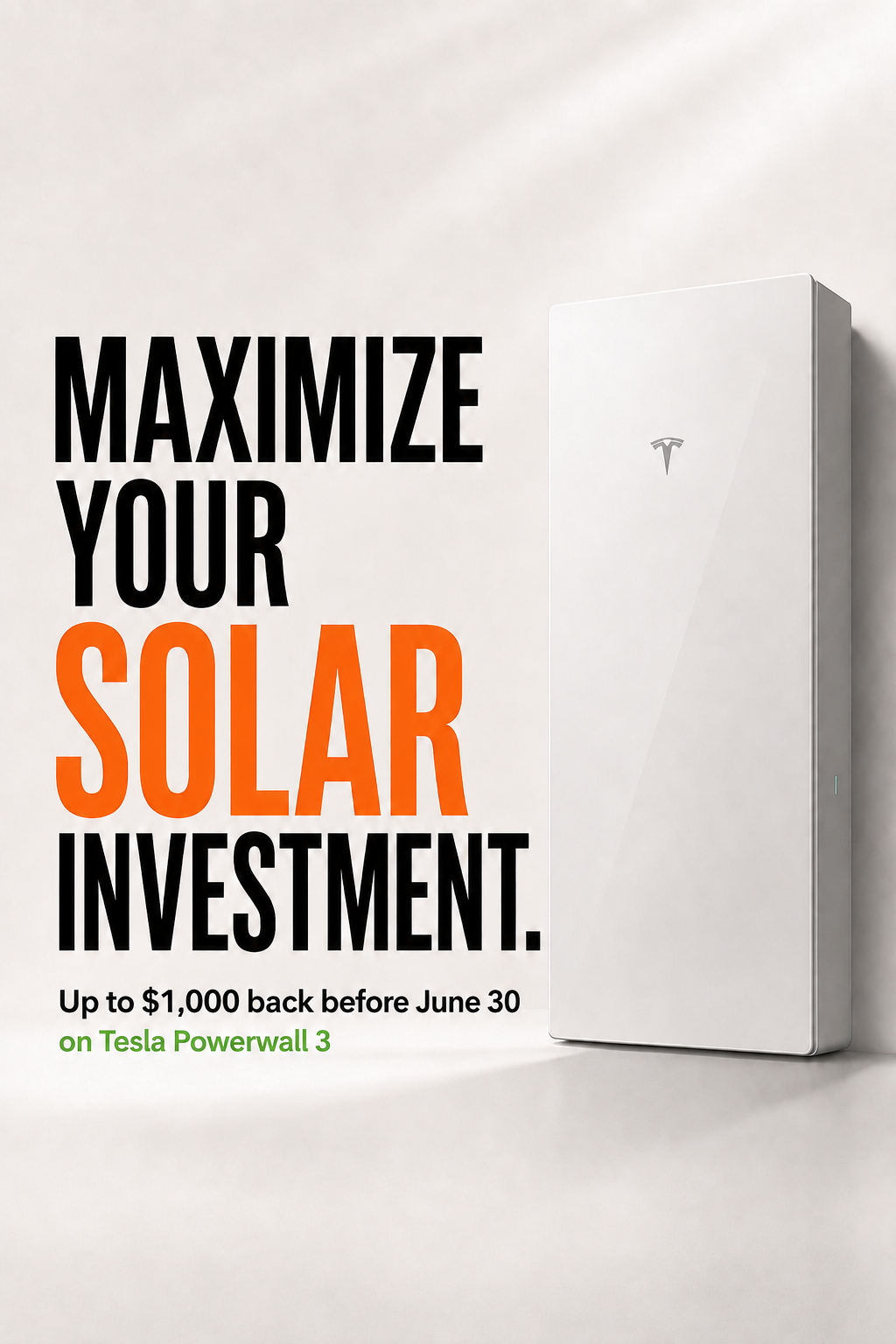
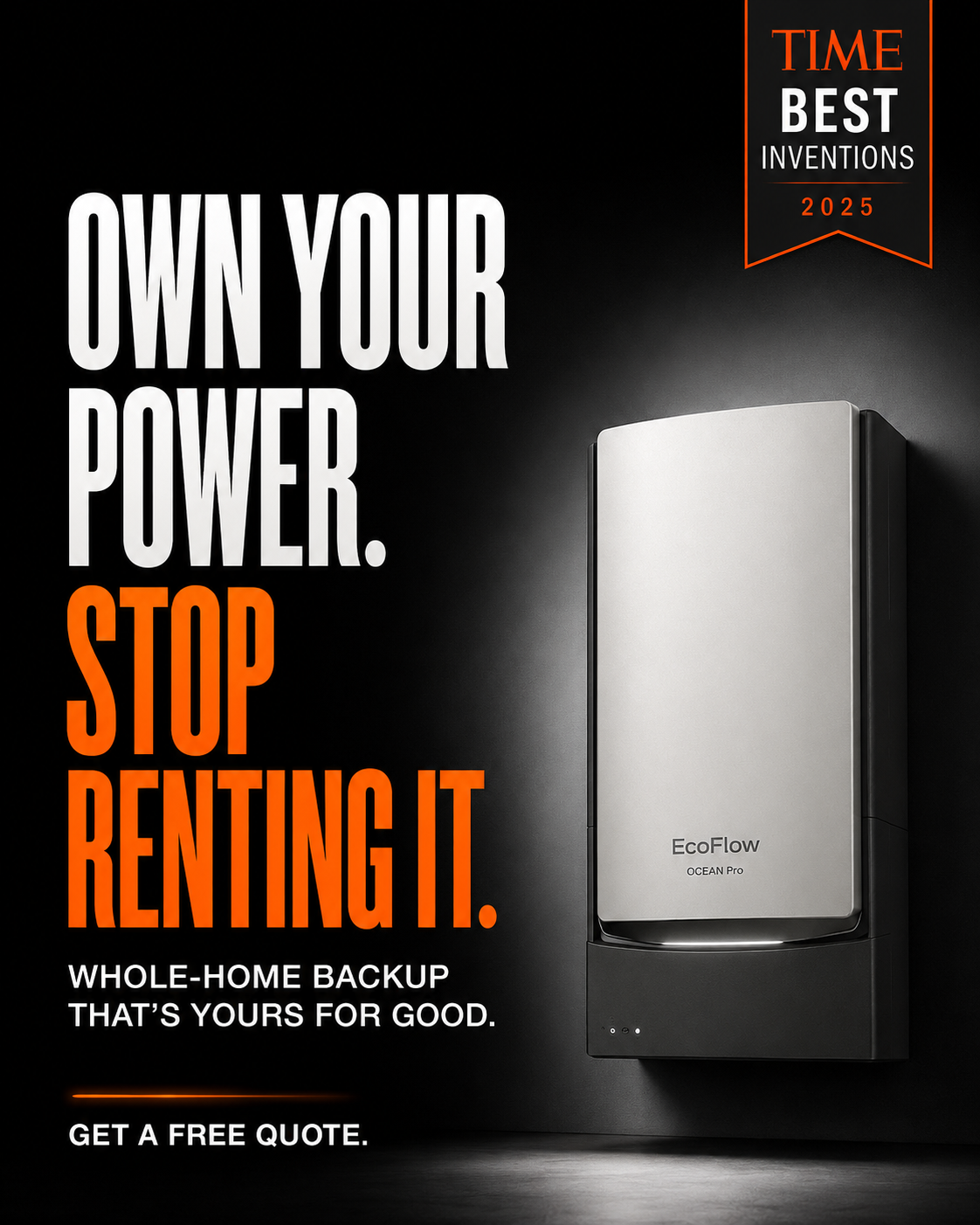
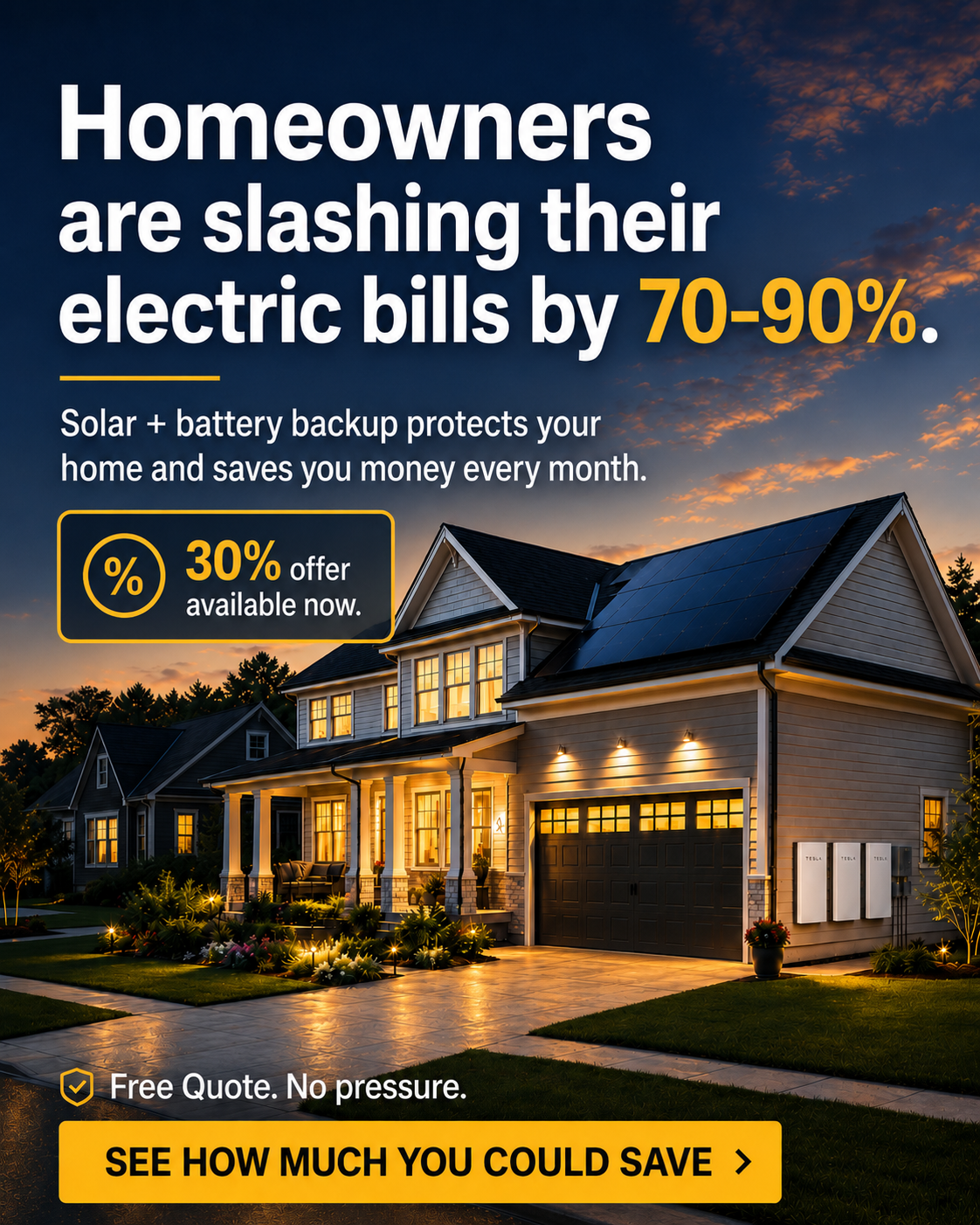
Every Ehome partner runs the same national creative — the same ads that top-budget campaigns run at scale. That collective presence builds brand recognition no solo installer can buy. Your market sees national-brand ads. Your leads call you. No creative testing. No ad build fees. National power, local exclusivity.
When you join Ehome, your ad spend pools with every active partner across the network. That collective buying power unlocks manufacturer co-op reimbursements — recovering a portion of your ad spend automatically. No solo installer can access this. Ehome's network makes it possible from day one.
One ad. Every market.
Your leads. Only yours.
Ehome develops and tests one battle-hardened national creative framework — the same ads that run across all 9 active states. You skip the testing phase entirely.
Each contractor in the network runs identical creative localized to their market. The national consistency builds brand recognition at scale. No dealer can do this alone.
Every call, click, and form fill from your market routes exclusively to you. Other partners get their market's leads. Zero sharing. Zero exceptions. Your revenue, protected.
Your Market Is
Open Right Now.
Once a contractor claims your city, it's closed. No second chances, no waitlist. Book your call now and lock it before someone else does.
Everything.
Done For You.
Ad account integration, pixel installation, and conversion tracking — done correctly from day one. Zero expertise required on your end.
No testing phase. No build fees. National creative localized to your market and running within days of signing up.
Every call, click, and form fill routes exclusively to you. Other partners run the same ads in their own markets — their leads go to them. Yours come to you. Zero exceptions.
Network-wide ad spend unlocks manufacturer co-op reimbursements — something no solo installer can access alone. You benefit from day one.
Clear monthly reports — impressions, leads, cost per lead, what we're optimizing. Plain English, no dashboards to learn.
Your market slot is reserved for you and you alone. Once it fills, it's closed to all new partners — your exclusivity is contractually protected.
We are your
marketing department.
Not a dealer program. Not a lead marketplace. Ehome is the full marketing engine behind your business — campaigns, leads, platform, and support.
- 📡Ehome Ad Manager — Running Day One
National framework, local targeting, zero expertise required. Live the moment you sign up.
- ⚡Ehome Platform — Leads Routed Automatically
Every lead flows directly into your Ehome Platform contact record. No manual imports. No dropped leads.
- 📞Full Service Setter — Answered as Your Brand
Dedicated setter answers leads as your company. Your customers never hear Ehome's name.
- 🔓Product Agnostic — You Keep the Flexibility
Battery storage, solar repair, EV charging, whole-home energy. Any product that serves the homeowner.
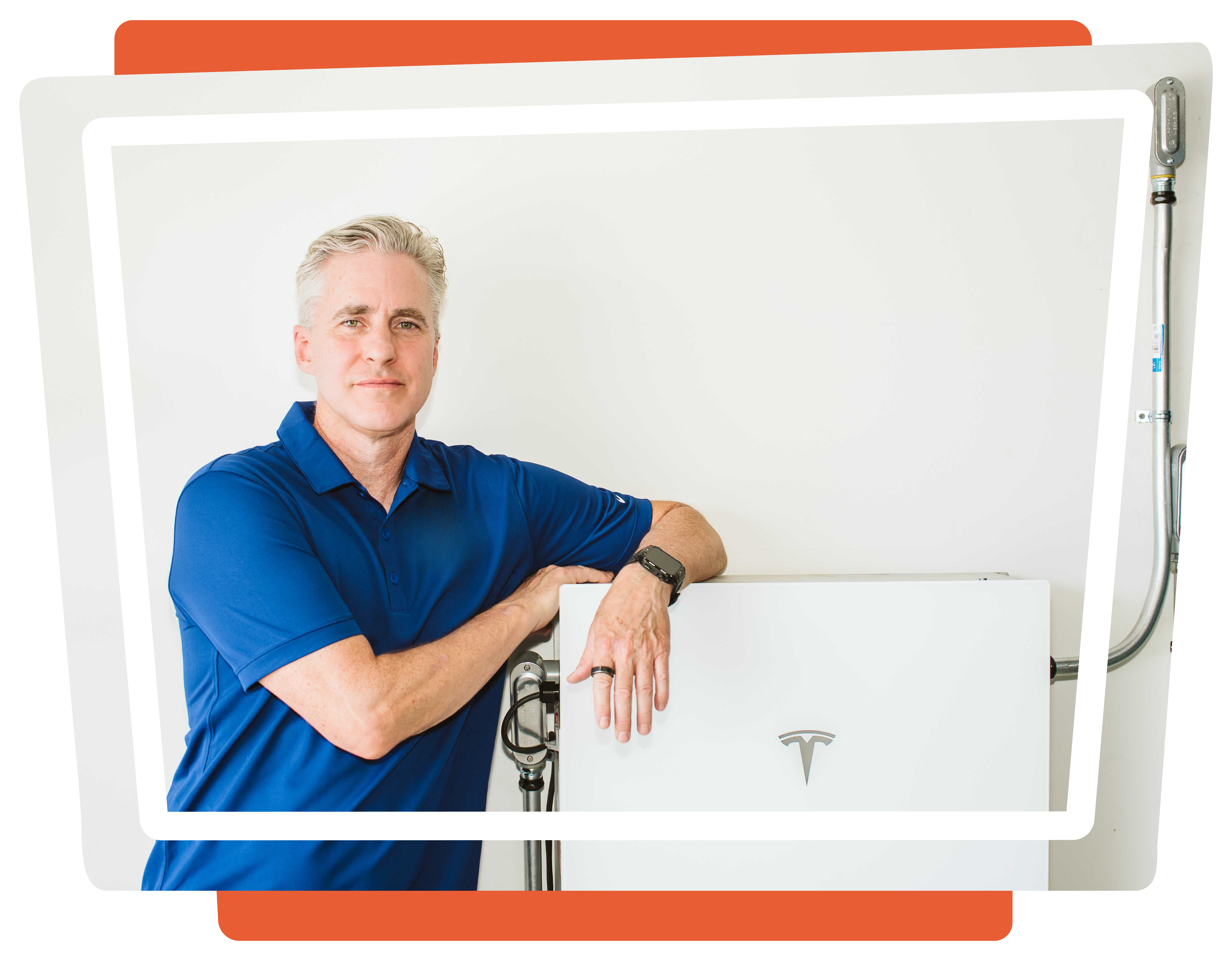
Ehome Partner since 2025
The pipeline collapsed.
The homeowners didn't.
When major solar financing partners folded in 2024–2025, thousands of skilled contractors lost their lead flow overnight. The opportunity didn't go with them.
The collapse of major financing partners left licensed contractors with no lead pipeline and no path to customers.
The 30% ITC credit shift disrupted the primary solar pitch industry-wide. Battery storage is the new wedge product.
EcoFlow, Franklin, and others built their US presence around installers — not consumers. No national consumer campaign exists. That gap is Ehome's lane.
Product agnostic.
Strategically focused.
Ehome partners can market any product that serves the homeowner. Our current launch focus is battery storage — highest demand, lowest competition for leads right now.
EcoFlow Ocean Pro and other leading systems. Cash buyers ready to act — shorter sales cycle, stronger margins.
Millions of orphaned solar systems with no service contract. A warm door-opener with a natural battery storage upsell.
Level 2 and smart charging installation. Natural add-on for the energy independence buyer.
Complete energy management packages. The highest-value conversation a licensed electrician can have.
Start where you are.
Grow when you're ready.
Every tier feeds naturally into the next — pulled by growth, not pushed by sales. Partners upgrade because they feel the capacity pain, not because we sold them up.
Platform access, national campaign framework, lead capture. Ads live day one. No expertise required.
Full Ehome Platform, lead routing, automations, and pipeline management.
Custom campaign builds, market-specific targeting, full creative strategy beyond the national framework.
Dedicated setter answering as your brand. A2P, SMS handled. You show up to the sit.
Stop Waiting.
Book Your Market.
Licensed electricians and solar contractors only. Markets fill first-come — once your city is claimed, it's closed to new partners permanently.